Mount Rinjani 3-Day Trek: The Complete Adventure Guide
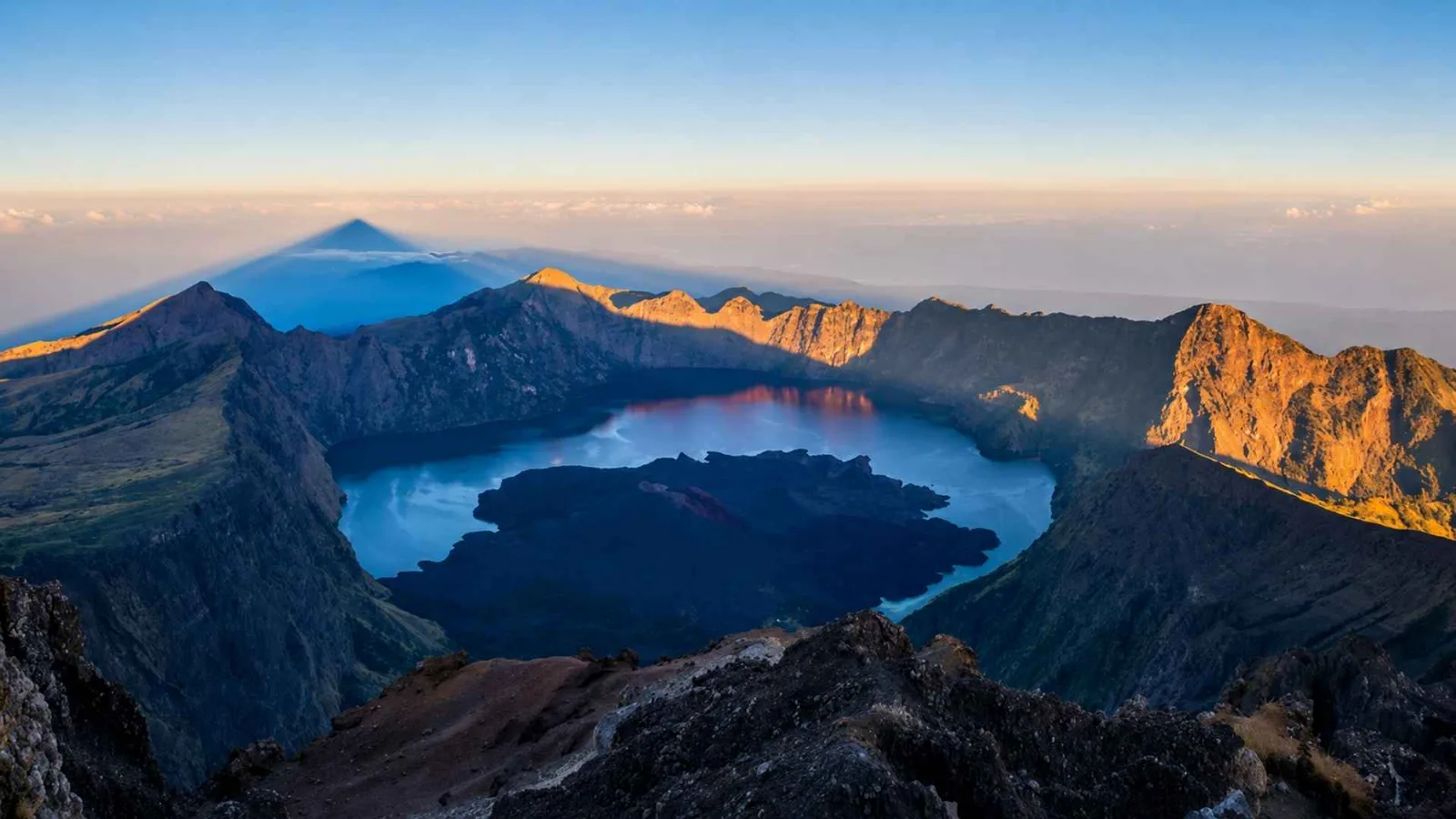
Mount Rinjani, standing at 3,726 meters above sea level, is Indonesia's second-highest volcano and one of Southeast Asia's most spectacular trekking destinations. Located on the island of Lombok, Mount Rinjani offers an unforgettable combination of volcanic landscapes, panoramic mountain views, tropical rainforests, natural hot springs, and a beautiful crater lake.
The Mount Rinjani 3-day trek is one of the most popular trekking experiences for adventurous travelers who want to explore the mountain's main attractions in a single journey.
Unlike shorter trekking programs, the 3-day adventure allows you to reach the summit, explore Segara Anak Lake, relax in natural hot springs, and experience different landscapes along the mountain's trekking routes.
This complete guide covers everything you need to know, including the itinerary, trekking routes, difficulty, preparation, equipment, and the best time to climb Mount Rinjani.
Why Choose the Mount Rinjani 3-Day Trek?
The 3-day, 2-night trek offers a more complete mountain experience than the standard 2-day summit trek.
During the adventure, you can experience:
- The scenic savannah landscapes of Sembalun.
- Camping above the clouds at Sembalun Crater Rim.
- Climbing Mount Rinjani's 3,726-meter summit.
- Spectacular sunrise views over Lombok.
- Exploring Segara Anak Crater Lake.
- Relaxing in natural volcanic hot springs.
- Camping at Senaru Crater Rim.
- Trekking through tropical rainforest or the scenic Torean Valley, depending on your chosen route.
This program is ideal for physically fit travelers looking for a challenging and rewarding outdoor adventure.
Mount Rinjani 3-Day Trek Overview
| Trek Information | Details |
|---|---|
| Duration | 3 days and 2 nights |
| Highest elevation | 3,726 meters |
| Starting point | Sembalun Village |
| Finishing point | Senaru or Torean Village |
| Difficulty | Challenging to very challenging |
| Accommodation | Mountain camping |
| Summit climb | Included in the itinerary, conditions permitting |
| Main attractions | Summit, crater lake, hot springs, crater rims |
| Recommended season | April to October |
| Guide | Required |
Choosing the Best Mount Rinjani 3-Day Trekking Route
There are two popular routes for completing the Mount Rinjani 3-day summit adventure.
Sembalun to Senaru Route
The Sembalun to Senaru route is the classic Mount Rinjani trekking experience. It combines the summit, Segara Anak Lake, natural hot springs, two crater rims, and tropical rainforest.
This route is particularly suitable for trekkers who want to experience the mountain's diverse landscapes and enjoy panoramic views from both sides of the crater.
Explore the 3-day Sembalun to Senaru trekking package.
Sembalun to Torean Route
The Sembalun to Torean route follows the same initial journey to Sembalun Crater Rim and Mount Rinjani's summit before descending toward Segara Anak Lake.
Instead of climbing back up to Senaru Crater Rim, trekkers continue through the spectacular Torean Valley, passing rivers, waterfalls, steep mountain cliffs, and lush vegetation.
Although this route avoids the climb to Senaru Crater Rim, it remains physically demanding and includes narrow, exposed sections.
Explore the 3-day Sembalun to Torean trekking package.
Route availability depends on national park regulations, weather, and trail conditions.
Complete Mount Rinjani 3-Day Trek Itinerary
The following itinerary describes the classic Sembalun to Senaru route. Walking times are approximate and may vary depending on fitness, weather, and trail conditions.
Day 0: Arrival in Lombok and Trekking Preparation
Arriving one day before your trek is highly recommended.
Depending on your selected trekking package, transportation can be arranged from Lombok International Airport, Bangsal Port, Senggigi, Kuta Lombok, or other locations around Lombok.
After arriving in Senaru, you can check into your accommodation, meet the trekking team, and attend a briefing about the upcoming adventure.
During the briefing, your guide will explain:
- The trekking itinerary and daily walking distances.
- Mountain weather and safety conditions.
- Required personal equipment.
- National park registration.
- Food, drinking water, and camping arrangements.
Take this opportunity to prepare your backpack and get enough rest before the adventure begins.
Day 1: Sembalun Village to Sembalun Crater Rim
Starting elevation: Approximately 1,150 meters
Camping elevation: 2,639 meters
Estimated trekking duration: 6–8 hours
After an early breakfast, you will travel to Sembalun Village, where the trek begins following national park registration.
The first part of the journey takes you through open grasslands and rolling savannah hills. Compared with the Senaru route, the Sembalun trail offers less shade, so sun protection and proper hydration are essential.
You will pass several trekking rest areas before stopping for lunch.
After lunch, the trail becomes progressively steeper as you approach Sembalun Crater Rim. This final section requires good endurance and steady pacing.
Upon reaching the campsite, you will be rewarded with breathtaking views of Segara Anak Lake, Mount Barujari, and the surrounding volcanic landscape.
Your trekking team will prepare the tents and dinner while you enjoy the sunset above the clouds.
After dinner, rest early in preparation for the summit climb.
Day 2: Mount Rinjani Summit, Segara Anak Lake and Senaru Crater Rim
Highest elevation: 3,726 meters
Lake elevation: Approximately 2,000 meters
Camping elevation: 2,641 meters
Estimated trekking duration: 10–14 hours, including breaks
Day two is the most challenging and rewarding part of the entire adventure.
Early Morning Summit Climb
The summit climb usually begins around 2:00 AM.
Using a headlamp, you will follow the steep volcanic trail toward Mount Rinjani's highest point. The final section consists of loose volcanic sand and gravel, making every step physically demanding.
Cold temperatures, strong winds, and reduced oxygen levels at higher elevations can make the climb even more challenging.
Depending on your pace, reaching the summit usually takes approximately 3–4 hours.
From the summit, weather permitting, you can enjoy incredible sunrise views over Lombok, the Gili Islands, Mount Agung in Bali, and neighboring islands.
Reaching the summit of Mount Rinjani is an unforgettable achievement.
Return to Sembalun Crater Rim
After enjoying the summit views, you will descend to the campsite for breakfast and a short rest.
The descent requires careful footing because of the loose volcanic terrain.
Descend to Segara Anak Lake
After breakfast, the journey continues down into the volcanic crater toward Segara Anak Lake.
The descent is steep and rocky in several sections, offering spectacular views of the lake and Mount Barujari.
Segara Anak, meaning “Child of the Sea,” is a beautiful volcanic crater lake surrounded by towering mountain walls.
Here, you can enjoy lunch, relax beside the lake, and experience one of Mount Rinjani's most iconic natural attractions.
Visit the Natural Hot Springs
Located near Segara Anak Lake, the natural hot springs offer a relaxing break after the demanding summit climb.
If conditions and time allow, trekkers can enjoy soaking in the warm geothermal water before continuing the journey.
Trek to Senaru Crater Rim
After exploring the lake and hot springs, the adventure continues with a steep ascent toward Senaru Crater Rim.
This section can be particularly demanding because you have already completed the summit climb and lake descent earlier in the day.
Upon reaching Senaru Crater Rim, you will enjoy another spectacular panoramic view of Segara Anak Lake, Mount Barujari, and Mount Rinjani's summit.
Dinner and overnight camping will be arranged at the crater rim.
Day 3: Senaru Crater Rim to Senaru Village
Starting elevation: 2,641 meters
Estimated trekking duration: 5–7 hours
Wake up early to enjoy the peaceful mountain atmosphere and sunrise over the volcanic crater.
After breakfast, you will begin descending toward Senaru Village.
Unlike the open savannah landscapes of Sembalun, the Senaru route takes you through dense tropical rainforest.
Along the way, you may encounter monkeys, tropical birds, and a variety of native plants.
The trail passes several rest areas where you can take breaks and enjoy lunch.
Upon reaching Senaru Village, your Mount Rinjani 3-day trekking adventure comes to an end.
Depending on your selected package, transportation can be arranged to your next destination in Lombok.
Alternative Itinerary: Finishing Through Torean
For trekkers choosing the Torean route, the first day and summit climb are generally similar to the classic Sembalun to Senaru itinerary.
After visiting Segara Anak Lake and the hot springs, the route continues toward Torean Valley instead of climbing to Senaru Crater Rim.
The final part of the journey features dramatic volcanic cliffs, flowing rivers, waterfalls, and green mountain landscapes.
Camping locations and daily trekking schedules may vary according to trail conditions, national park regulations, and your guide's safety assessment.
The Torean route is an excellent alternative for travelers who enjoy dramatic natural scenery and want to experience a different side of Mount Rinjani.
How Difficult Is the Mount Rinjani 3-Day Trek?
The Mount Rinjani 3-day trek is considered challenging to very challenging.
Although technical mountaineering experience is generally not required, trekkers should have good physical fitness, endurance, and confidence walking on steep and uneven terrain.
The main challenges include:
- Long trekking hours.
- Significant elevation gain and loss.
- Loose volcanic sand during the summit climb.
- Cold temperatures and strong winds.
- Steep and rocky trails.
- Limited recovery time between trekking days.
- Possible altitude-related symptoms.
Day two is particularly demanding because it combines the summit climb, descent into the crater, and onward trekking to the next campsite.
Beginners with good fitness and proper preparation may complete the trek, but it is not recommended for people who are unprepared for strenuous physical activity.
If you prefer a more comfortable pace, consider the 4-day Mount Rinjani trekking program.
How to Prepare for the Mount Rinjani Trek
Preparing your body before the trek can significantly improve your experience.
Ideally, begin training four to eight weeks before your trip.
Recommended activities include:
- Hiking on hills or mountains.
- Walking long distances with a backpack.
- Stair climbing.
- Jogging or cycling.
- Squats, lunges, and leg-strengthening exercises.
- Cardiovascular endurance training.
Practice walking downhill as well as uphill, because the long descents can place considerable pressure on your knees and legs.
Good preparation will help you maintain a comfortable pace and reduce fatigue during the adventure.
Best Time to Trek Mount Rinjani
The best time to climb Mount Rinjani is generally during Lombok's dry season, particularly between April and October.
April to June
The mountain landscapes are often greener following the rainy season. This period can offer beautiful scenery and relatively comfortable trekking conditions.
July to September
These months are typically popular for trekking because of generally drier weather and better opportunities for clear summit views.
However, campsites and trekking trails can be busier.
October
October can still offer good trekking conditions, although rainfall may become more frequent as the rainy season approaches.
November and December
Trekking during these months can be more challenging due to rainfall, slippery trails, strong winds, and unpredictable mountain weather.
Shorter trekking programs may be more suitable during this period.
January to March
Mount Rinjani National Park is generally closed during this period for safety and environmental recovery.
Always check official opening dates and current trail conditions before making a reservation.
What to Pack for the Mount Rinjani 3-Day Trek
Packing the right equipment is essential for a safe and comfortable mountain adventure.
Clothing
- Lightweight trekking shirts.
- Comfortable trekking trousers.
- Warm fleece or insulated jacket.
- Waterproof jacket.
- Thermal clothing.
- Warm gloves.
- Warm hat or beanie.
- Extra socks and underwear.
Footwear
- Hiking shoes or trekking boots with good grip.
- Lightweight sandals for use around the campsite.
Personal Equipment
- Backpack of approximately 30–40 liters.
- Headlamp with spare batteries.
- Trekking poles.
- Reusable water bottle.
- Sunglasses.
- Sunscreen.
- Personal medication.
- Toiletries.
- Power bank.
- Waterproof bags for electronic devices.
Temperatures near the summit can approach or fall below freezing, especially before sunrise. Warm clothing is essential even when the weather at lower elevations feels hot.
Avoid carrying unnecessary items, as a lighter backpack will make the trek more comfortable.
Food, Drinking Water and Camping Equipment
During an organized Mount Rinjani trekking adventure, the guide and porter team take care of most mountain logistics.
A typical fully supported trekking package includes:
- Breakfast, lunch, and dinner during the trek.
- Drinking water.
- Hot drinks.
- Camping tents.
- Sleeping bags.
- Sleeping mattresses.
- Cooking equipment.
- Experienced trekking guides.
- Porters for shared camping equipment and supplies.
Jou Trekking also provides complimentary trekking poles, headlamps, jackets, and gloves, subject to equipment availability.
Trekkers are generally responsible for carrying their personal belongings, clothing, and essential items.
A personal porter may be arranged separately if additional assistance is required.
Mount Rinjani Trekking Permits
All trekkers entering Mount Rinjani National Park must have a valid trekking permit.
To arrange your permit, your trekking operator will generally require:
- Full name as shown on your passport.
- Passport number.
- Nationality.
- Confirmed trekking dates.
Daily trekking quotas are limited, especially during the peak season.
Booking in advance is highly recommended to secure your preferred trekking dates.
National park regulations and permit requirements may change, so confirm the latest information with your trekking operator.
Is Mount Rinjani Safe to Climb?
Mount Rinjani is an active volcano and a high-altitude trekking destination. Like any mountain adventure, trekking involves inherent risks.
Weather conditions can change quickly, and certain sections of the trail are steep, slippery, or exposed.
To improve your safety:
- Trek with an experienced local guide.
- Follow your guide's instructions.
- Drink enough water throughout the journey.
- Wear appropriate trekking shoes.
- Carry suitable warm and waterproof clothing.
- Inform your guide immediately if you feel unwell.
- Avoid attempting the summit during unsafe weather.
- Purchase suitable travel and trekking insurance.
Headaches, nausea, dizziness, and unusual fatigue can be signs of altitude sickness. Do not ignore these symptoms or continue ascending if they worsen.
Your safety should always be more important than reaching the summit.
Do You Need Travel Insurance?
Travel insurance is strongly recommended for anyone planning to climb Mount Rinjani.
Your insurance should specifically cover:
- High-altitude trekking up to at least 3,726 meters.
- Emergency medical treatment.
- Mountain rescue.
- Emergency evacuation, including helicopter evacuation where available.
Standard travel insurance policies may exclude high-altitude trekking, so check your policy carefully before traveling.
Emergency evacuation on Mount Rinjani can be complicated by terrain, weather, and limited rescue access.
Mount Rinjani 2-Day vs 3-Day vs 4-Day Trek
Choosing the right trekking duration depends on your fitness level, available time, and preferred experience.
| Trek Duration | Main Highlights | Difficulty |
|---|---|---|
| 2 Days 1 Night | Summit and Sembalun Crater Rim | Challenging |
| 3 Days 2 Nights | Summit, crater lake, hot springs and additional mountain scenery | Very challenging |
| 4 Days 3 Nights | Complete mountain experience with more recovery time | Challenging |
The 2-day summit trek is suitable for travelers with limited time who mainly want to reach the summit.
The 3-day trek is ideal for adventurous travelers who want to explore more of Mount Rinjani within a limited schedule.
The 4-day trek is recommended for those who prefer a more relaxed itinerary with additional time to enjoy the scenery and recover between demanding sections.
Small Group or Private Mount Rinjani Trek?
Choosing a small-group or private trekking experience can make your adventure more comfortable and personalized.
At Jou Trekking, small-group tours are limited to a maximum of four trekkers per group.
Benefits of small-group trekking include:
- More personalized attention from your guide.
- Easier communication.
- Better group coordination.
- A more personal mountain experience.
- Less time waiting for larger groups.
Private trekking is also available for couples, families, and friends who prefer to travel exclusively with their own group.
However, trekking schedules must always respect national park regulations, weather conditions, and safety requirements.
Responsible Trekking on Mount Rinjani
Mount Rinjani is an important natural and cultural destination for the people of Lombok.
Responsible trekking helps protect its unique environment for future generations.
During your adventure:
- Carry your rubbish back down the mountain.
- Avoid single-use plastics whenever possible.
- Stay on designated trekking trails.
- Respect wildlife and local traditions.
- Avoid damaging plants or natural formations.
- Follow national park regulations.
- Respect the sacred significance of Segara Anak Lake.
Every visitor has a responsibility to help preserve the beauty of Mount Rinjani.
Frequently Asked Questions
Can beginners complete the Mount Rinjani 3-day trek?
Physically fit beginners with sufficient preparation may complete the trek. However, it is a demanding mountain adventure and should not be underestimated.
Is three days enough to climb Mount Rinjani?
Yes. Three days is enough for well-prepared trekkers to attempt the summit, visit Segara Anak Lake, explore the hot springs, and complete one of the main trekking routes.
Can I skip the summit climb?
Yes. If you feel tired, unwell, or uncomfortable with the conditions, you can discuss skipping the summit with your guide. Alternative arrangements depend on group logistics and safety considerations.
Do I need to carry camping equipment?
On a fully supported trekking tour, porters carry shared camping equipment, food, and cooking supplies. You normally carry your personal belongings.
Is drinking water provided during the trek?
Yes. Jou Trekking provides drinking water throughout the trekking adventure.
Can I leave my luggage in Senaru?
Yes. Free luggage storage is available at the Jou Trekking office in Senaru. You can leave unnecessary belongings there before starting your trek.
Are there showers and toilets on Mount Rinjani?
Facilities are basic and limited. Trekkers should be prepared for wilderness camping without regular showers or modern bathroom facilities.
What happens if the weather is bad?
Your guide will assess the conditions and may adjust the itinerary or cancel the summit attempt if continuing is considered unsafe.
How far in advance should I book?
Booking several weeks or months in advance is recommended, particularly for trekking dates between July and September, when national park permits can be in high demand.
Is the Torean route easier than the Senaru route?
The Torean route avoids the steep ascent from Segara Anak Lake to Senaru Crater Rim. However, it includes long walking distances, narrow trails, and exposed sections, so it should not be considered an easy route.
Book Your Mount Rinjani 3-Day Adventure
The Mount Rinjani 3-day trek is more than just a mountain climb. It is a journey through some of Indonesia's most remarkable natural landscapes, from open savannah hills and volcanic peaks to peaceful crater lakes and tropical rainforests.
Whether you choose the classic Sembalun to Senaru route or the spectacular Sembalun to Torean route, you will experience an unforgettable adventure in the heart of Lombok.
Jou Trekking offers professionally organized Mount Rinjani trekking programs with experienced local guides, dedicated porters, camping equipment, and small-group experiences.
Explore our trekking programs:
- Mount Rinjani 3 Days 2 Nights Sembalun to Senaru
- Mount Rinjani 3 Days 2 Nights Sembalun to Torean
- View All Mount Rinjani Trekking Packages
Prepare well, respect the mountain, and discover why Mount Rinjani is one of Indonesia's most extraordinary trekking destinations.